
Mastering Forex Trading: A Comprehensive Guide to Education and Strategies
If you’re looking to dive into the world of Forex trading, you’ve come to the right place. Learning the intricacies of Forex trading can be overwhelming, but with the right education and resources, you can become a proficient trader. At the heart of successful Forex trading lies a solid foundation of knowledge, and forex trading education exglobal.pk is an excellent source for education and insights into the market.
Forex, or foreign exchange, is the largest financial market in the world, with a daily trading volume surpassing $6 trillion. It operates 24 hours a day, five days a week, and provides ample opportunities for traders to profit from the changing value of currencies. However, to succeed in this competitive market, traders must educate themselves and develop a robust trading strategy.
Understanding the Forex Market
The Forex market is decentralized, meaning it doesn’t have a physical location where trades are executed. Instead, trading happens electronically over-the-counter (OTC) via financial institutions. The primary participants in this market include banks, financial institutions, corporations, and individual traders.
Understanding currency pairs is fundamental to Forex trading. Currencies are traded in pairs, such as EUR/USD (Euro to US Dollar), reflecting the value of one currency against another. The first currency in the pair is the base currency, while the second is the quote currency. Traders speculate on the movement of currency pairs with the goal of profiting from price fluctuations.
Getting Started with Forex Education
The first step in your Forex trading education is to familiarize yourself with the basic concepts. Here are some essential terms and concepts to understand:
- Leverage: This allows traders to control a large position size with a relatively small amount of capital. While leverage can magnify profits, it can also increase losses.
- Margin: The amount of money required to open and maintain a leveraged position.
- Pips: A pip is the smallest price movement in the Forex market, typically measured in the fourth decimal place.
- Spread: The difference between the bid and ask price of a currency pair, representing the broker’s profit on the trade.
Once you have grasped the basics, consider exploring various educational resources such as online courses, webinars, and books. Many reputable brokers, including exglobal.pk, offer educational tutorials and tools to help traders build their skills.
Choosing the Right Trading Strategy
Selecting a trading strategy is crucial in the Forex market. Here are some popular strategies that beginners can consider:
1. Scalping
Scalping involves making numerous trades throughout the day and taking small profits from each. This strategy requires significant time, focus, and rapid decision-making.
2. Day Trading
Day trading entails opening and closing positions within the same trading day. This strategy allows traders to take advantage of short-term price movements without exposing themselves to overnight risks.

3. Swing Trading
Swing traders look to capitalize on price swings over several days or weeks. This strategy requires a bit more patience and analysis, as traders may hold positions longer than a day.
4. Position Trading
Position trading is a long-term approach where traders hold their positions for weeks, months, or even years. This strategy requires a strong understanding of market trends and fundamental analysis.
Technical and Fundamental Analysis
Successful Forex trading also involves analyzing market trends and signals. There are two main types of analysis you can use:
Technical Analysis
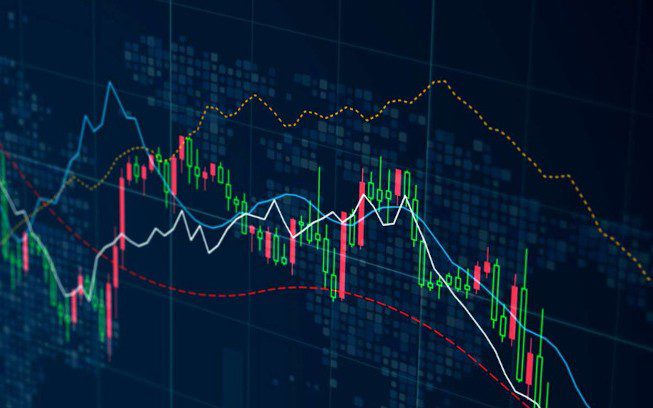
Technical analysis relies on historical price data and chart patterns to predict future price movements. Traders use various tools such as moving averages, Bollinger Bands, and Fibonacci retracements to make informed decisions.
Fundamental Analysis
In contrast, fundamental analysis focuses on economic indicators, interest rates, and geopolitical events that can influence currency values. Traders who use this approach keep an eye on news releases and economic reports to gauge the potential impact on the Forex market.
Risk Management Strategies
Effective risk management is crucial for long-term success in Forex trading. Here are some techniques you should consider:
- Set Stop-Loss Orders: A stop-loss order automatically closes a trade when the market moves against you, helping to limit your losses.
- Risk Only What You Can Afford to Lose: Determine how much of your capital you’re willing to risk on each trade, typically no more than 1-2% of your total account balance.
- Diversify Your Portfolio: Avoid putting all your capital into one currency pair. Spread your investments across different pairs to reduce risk.
The Importance of a Trading Journal
Keeping a trading journal is an excellent way to track your progress and improve your trading skills. Document your trades, including the reasons for entering and exiting positions, the outcomes, and any emotions you experienced. By reviewing your journal regularly, you can identify patterns in your trading behavior and make necessary adjustments.
Conclusion
Forex trading education is an ongoing journey. As you gain more experience, continue to learn and adapt to the ever-changing market. Don’t be afraid to seek out resources like exglobal.pk to enhance your knowledge and stay informed. With dedication, discipline, and a strong understanding of market dynamics, you can succeed in the Forex trading world.
Remember, every successful trader started from the same place—education. The more you learn and practice, the better equipped you’ll be to navigate the Forex market confidently. Embrace the process, stay committed, and enjoy your trading journey!
