
Understanding Forex Trading: A Comprehensive Example
Trading in the Forex market is a fascinating adventure filled with opportunities, risks, and complexities. One of the best ways to grasp the fundamental concepts is through practical examples. This article will walk you through a detailed example of Forex trading and help you understand how to implement strategies effectively. You can also check out forex trading example Trading Broker UZ for more information on becoming a trader.
What is Forex Trading?
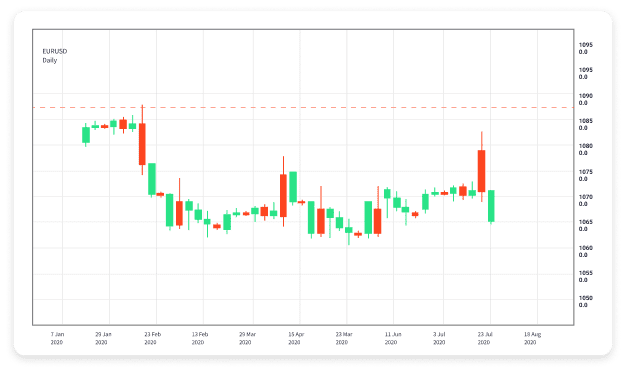
The foreign exchange (Forex) market is the largest and most liquid financial market in the world, with an average daily trading volume exceeding $6 trillion. Unlike stocks and commodities, Forex trading involves buying and selling currency pairs. In Forex, you’re not trading individual currencies, but rather, you’re trading pairs — for example, EUR/USD, where you exchange Euros for US Dollars. The value of these currencies fluctuates due to various economic, political, and psychological factors.
Understanding Currency Pairs
Currency pairs are typically categorized into three groups: major pairs, minor pairs, and exotic pairs. Major pairs always include the USD — for instance, EUR/USD, USD/JPY, and GBP/USD. Minor pairs exclude the USD but include other major currencies like the EUR and JPY, such as EUR/GBP and AUD/NZD. Exotic pairs consist of a major currency paired with a currency from a developing economy, like USD/TRY (US Dollar/Turkish Lira).
Choosing a Trading Strategy
Before entering the Forex market, it’s crucial to select a trading strategy that aligns with your goals, risk tolerance, and trading style. Some popular trading strategies include:
- Scalping: This involves making multiple trades over a day to capitalize on small price movements.
- Day Trading: Day traders open and close their positions within a single trading day.
- Swing Trading: This involves holding positions for days or weeks to benefit from medium-term price movements.
- Position Trading: Long-term strategy based on fundamental analysis and holding trades for weeks, months, or even years.
Example of a Forex Trade
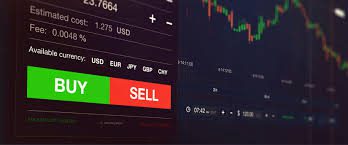
Let’s conduct a practical example to illustrate Forex trading. Suppose you believe that the Euro will strengthen against the US Dollar. You decide to buy the EUR/USD pair at 1.1000. You purchase one standard lot, which is equivalent to 100,000 Euros.
Entry Point
You place a market order to buy 100,000 Euros at an exchange rate of 1.1000. Your investment at this stage would be:
Investment = 100,000 * 1.1000 = $110,000
Setting a Stop Loss and Take Profit
To manage risk, you set a stop-loss order at 1.0950 and a take-profit order at 1.1050. The stop-loss will limit your losses if the trade goes against you, while the take profit will automatically close your position when your target price is reached.
Trade Outcome
Suppose the market price moves in your favor and rises to 1.1050. Your trade would be closed automatically at that price, realizing a profit:
Profit = (1.1050 – 1.1000) * 100,000 = $500
If the price had moved against you and hit your stop-loss at 1.0950, your loss would have been:
Loss = (1.1000 – 1.0950) * 100,000 = $500
Risks Involved in Forex Trading
While Forex trading can be highly profitable, it also carries significant risks. It’s crucial to be aware of factors that can impact your profit and loss:
- Leverage: Margin trading can amplify both profits and losses. While leverage allows you to control a larger position with a smaller amount of capital, it increases risk considerably.
- Market Volatility: The Forex market can be unpredictable due to news releases, economic data, and political events. Sudden price movements can impact your trades significantly.
- Psychological Factors: Emotional trading often leads to poor decision-making. Being influenced by fear, greed, or impatience can lead to irrational trading behavior.
Tools for Successful Trading
Several tools and resources can assist traders in making informed decisions. Here are some essential tools:
- Charts and Analysis Software: Tools like MetaTrader or TradingView offer robust charting capabilities to analyze price movements.
- Economic Calendars: These track upcoming economic events and data releases that could impact the Forex market.
- News Feeds: Staying updated with the latest financial news ensures you’re aware of factors affecting currency values.
- Trading Simulators: Practice your skills risk-free with demo accounts before engaging in live trading.
Conclusion
Forex trading presents numerous opportunities for individuals looking to invest and profit from currency movements. By understanding the mechanics of the market, learning various trading strategies, and managing risks effectively, traders can navigate this exciting financial landscape. By following a structured approach and utilizing the tools available, even novice traders can make informed decisions and potentially see success in the Forex market.
Before you begin your trading journey, it’s advisable to educate yourself thoroughly, start with a demo account, and consider partnering with a reputable broker like Trading Broker UZ for guidance and support.
